TL;DR: No. There is no credible evidence of this, and yet the internet keeps confidently claiming there was.
Wikipedia says there was. Repeatedly. Let’s chase every citation down and see what is going on here.
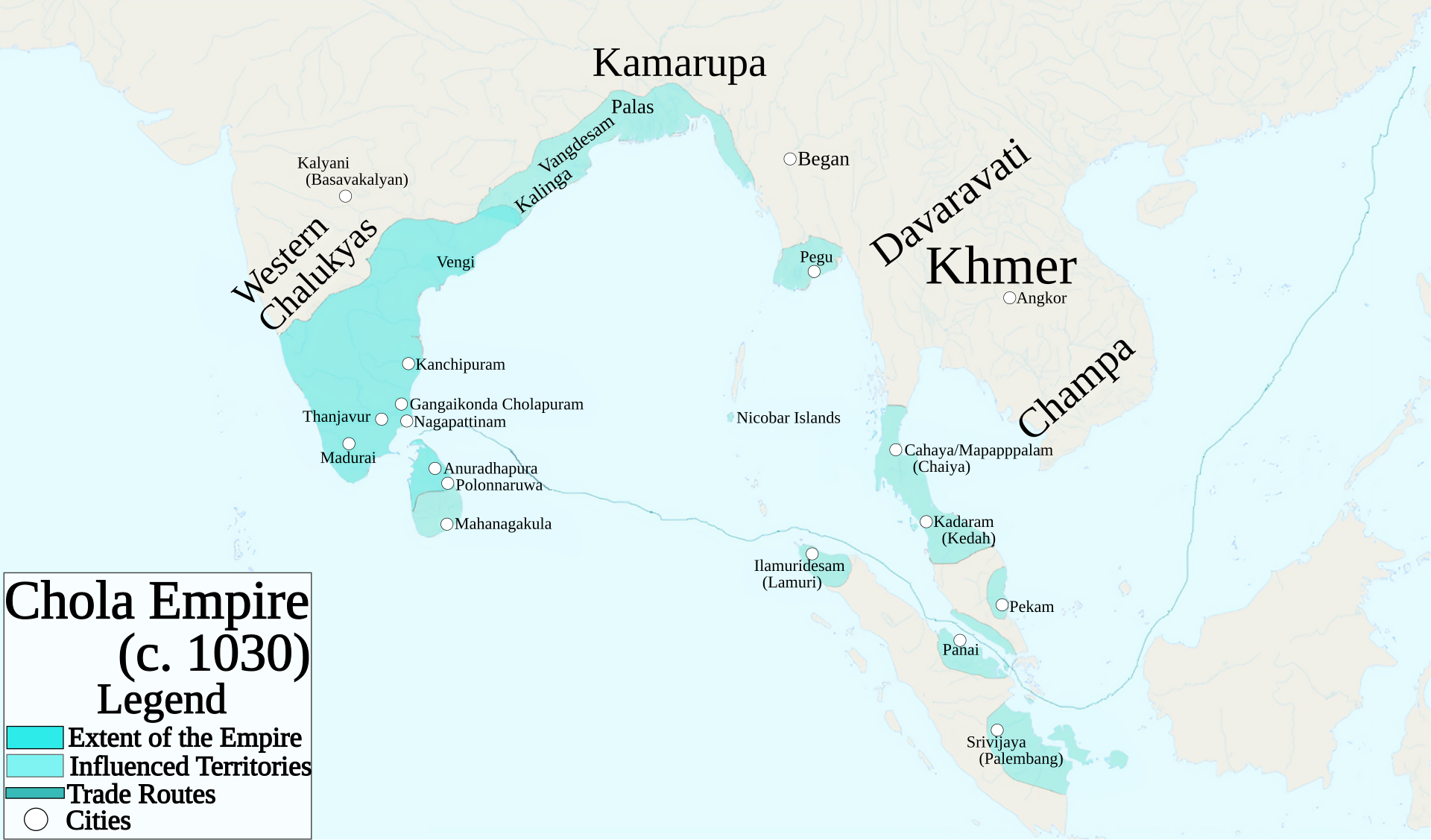
(Source Map of the Chola Empire at around its peak. Note the blue dot on the Nicobar Islands. I don’t doubt by the way, that the Chola exerted some form of control over Nicobar, perhaps even landing there or harvesting resources from there, or perhaps even doing something there. Though none that has really been established. But anyway this article is about examining the most expansive possible version of this claim, that they actually had a naval base on the island)
Article 1: “History of the Andaman and Nicobar Islands”
This article states:
“Rajendra I, used the Andaman and Nicobar Islands as a strategic naval base to launch an expedition against the Sriwijaya Empire (Indonesia). The Cholas called the island Ma-Nakkavaram (“great open/naked land”), found in the Thanjavur inscription of 1050 AD. European traveller Marco Polo (12th–13th century) also referred to this island as ‘Necuverann’ and a corrupted form of the Tamil name Nakkavaram would have led to the modern name Nicobar during the British colonial period.”
But I’m pretty sure it is essentially a fabrication.
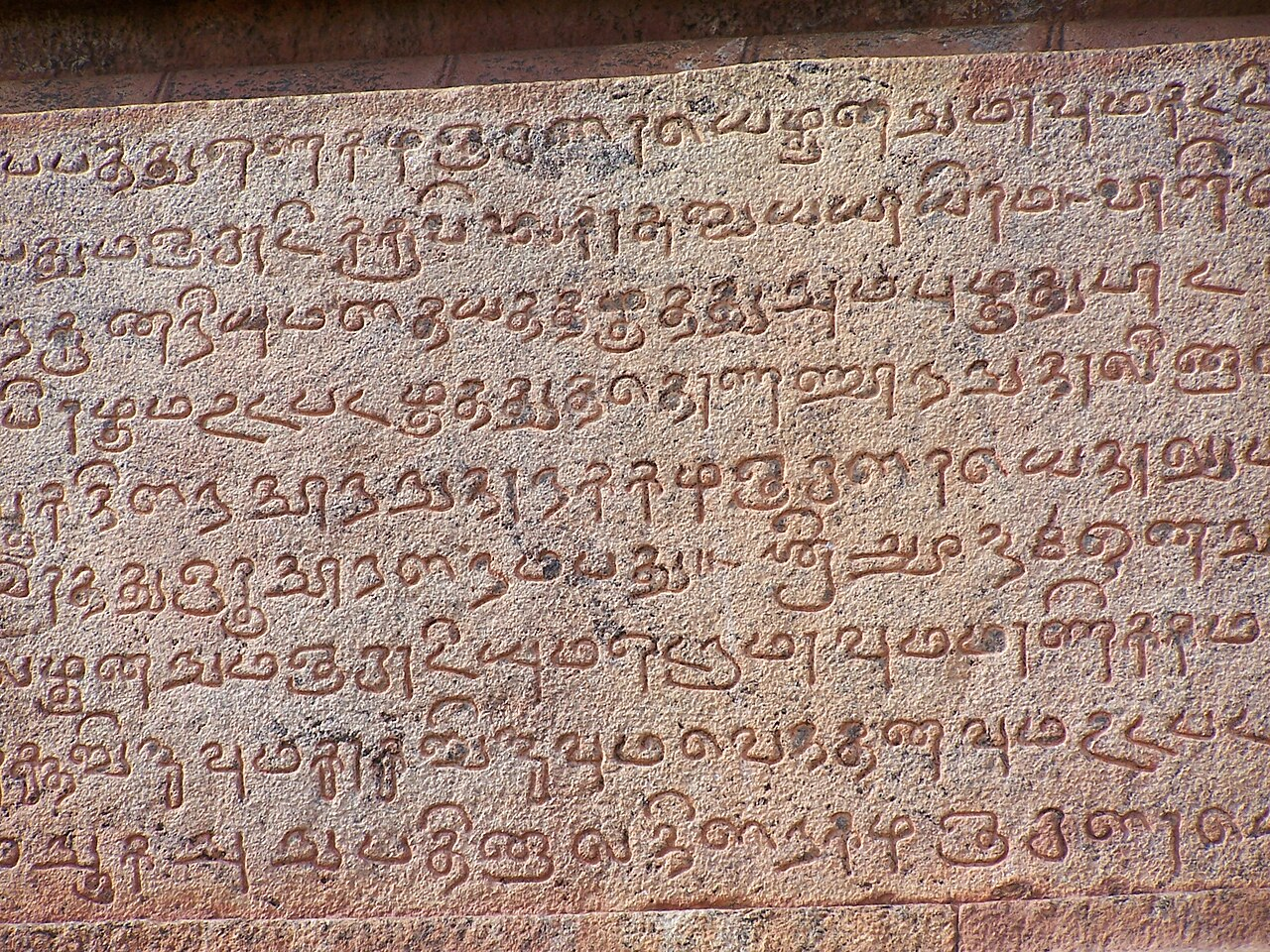
(Source Inscriptions at the Brihadisvara Temple. Inscriptions like these are one of the main actual real sources briefly mentioning Nicobar, which get laundered into the naval base claim)
The citation leads (via a useless Google Books link) to this (I’ll give an actually useful link:) The Andaman and Nicobar Islands: Local Gazetteer (Government of India, 1908). The actual portion of that source which supposedly justifies the claim is this:
“‘Land of the Naked’ translates Nakkavaram, the name by which the islands appear in the great Tanjore inscription of 1050. This name reappears in Marco Polo’s Necuveran 1292, in Rashiduddin’s Nakwaram 1300, and in Friar Odoric’s Nicoveran 1322, which are the lineal ancestors of the 15th and 16th Century Portuguese Nacabar and Nicubar and the modern Nicobar. The name has been Nicobar since at least 1560.”
“In the great Tanjore inscription of 1050 A.D. the Andamans are mentioned under a translated name along with the Nicobars, as Timaittivu, ‘Islands of Impurity’ and as the abode of cannibals.”
First of all, this doesn’t even justify the more boring claim. “Land of the Naked” pretty obviously means the natives didn’t wear clothing, not that it was a “great open land.” The Wikipedia version also completely omits the “Islands of Impurity” and “cannibals” references, which reinforce my interpretation. This section screams of a biased editor whitewashing the source: covering up the distinctly unflattering light in which the Tamils apparently painted these islands, and replacing it with a genial reference to Great Open Space.
But worst of all: there is zero mention here of a Chola naval base. That part is totally and completely fabricated.
So the 1908 Gazetteer is debunked as a source for this claim.
Article 2: “Andaman Tamils”
The claim appears again in Andaman Tamils:
“The Cholas used the islands as a naval base in 11th century CE to launch attacks in South East Asia”
and:
“In the 11th century CE, Rajendra Chola I of the Chola dynasty of Tamilakam invaded parts of South East Asia using the Andaman and Nicobar Islands as an intermediate naval base.[1][2]”
The first citation goes to South Indian Inscriptions, Vol. II, p. 109 — Hultzsch’s translation of Rajendra’s Thanjavur inscription. Here is what that source actually says:
“having despatched many ships in the midst of the rolling sea and having caught Saṁgrāmavijayōttuṅgavarman, the king of Kaḍāram, along with (his) vehicles… (took) the large heap of treasures… Vijayam, of great fame; Paṇṇai, watered by the river; the ancient Malaiyūr… Māyiruḍiṅgam, surrounded by the deep sea… Ilaṅgāśōgam (i.e., Laṅkāśōka)… Māppappālam… Mēvilimbaṅgam… Valaippandūru… Talaittakkōlam… Mādamāliṅgam… Ilāmuri-dēśam, whose fierce strength was subdued by a vehement (attack); Māṇakkavāram, whose flower-gardens (resembled) the girdle (of the nymph) of the southern region; and Kaḍāram, of fierce strength, which was protected by the neighbouring sea…”
It’s just a list of places the naval expedition raided (or in some cases, forced into tributary status or conquered. those distinctions, not compellingly clarified in this document, are also a source of major dispute regarding Chola naval campaigns which I wont get into here), which includes the Nicobars (Māṇakkavāram) in the list with a decorative epithet about flower gardens. It makes no mention whatsoever of a naval base.
The second citation is really a lie of a citation, because it’s just a quotation of the first source.
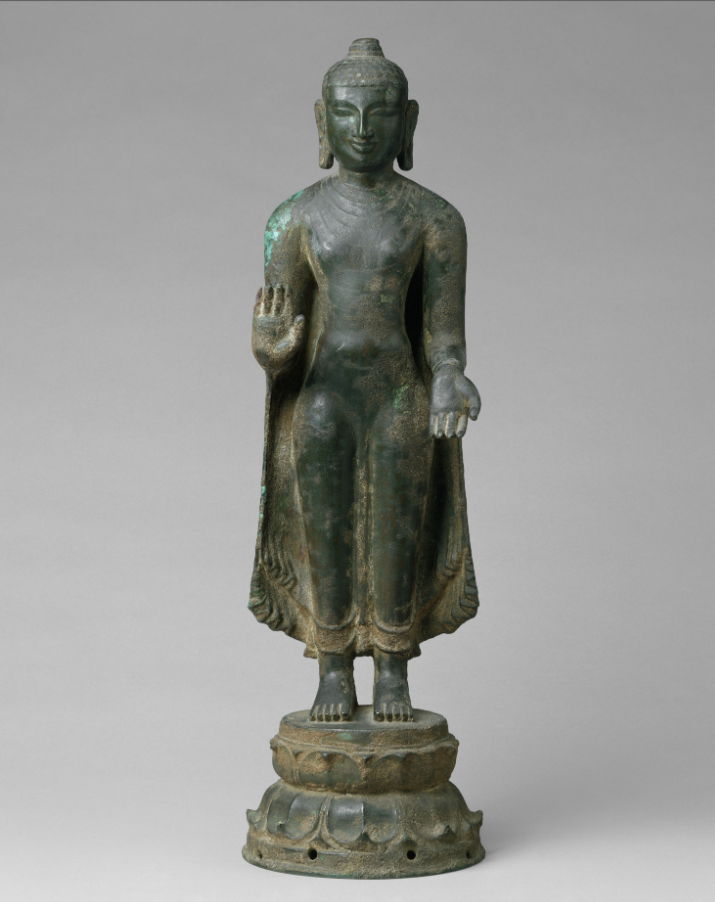
(Source Although the Cholas were a predominantly Hindu dynasty, and they did primarily raid Buddhist polities, Buddhism still survived and prospered enough to participate in the amazing Chola bronzeworking tradition. This statue was made in Nagapattinam, the very port from which the Chola ships left to subdue Srivijaya, and control the Nicobar Islands on the way, in whatever form that actually occurred)
Article 3: “Andaman and Nicobar Islands”
The main article on the islands repeats the same claims with, if anything, even thinner attempted sourcing. Where citations do appear, they are the same ones already dealt with above.
Article 4: “Andaman Islands”
This article says:
“Rajendra I took over the Andaman and Nicobar Islands.[10] He used the Andaman and Nicobar Islands as a strategic naval base to launch an expedition against the Sriwijaya Empire. The Cholas called the island Ma-Nakkavaram (“great open/naked land”), found in the Thanjavur inscription of 1050 CE. European traveller Marco Polo (12th–13th century) also referred to this island as ‘Necuverann’ and a corrupted form of the Tamil name Nakkavaram would have led to the modern name Nicobar during the British colonial period.[11]”
The first citation goes to an article in the Children section of The Hindu (?) which is really a tourism feature: “Happy in Havelock”. It just uncritically repeats (launders) the same claim, without itself providing any sourcing or evidence:
“Rajendra Chola I (1014 to 1042 CE), took over the Andaman and Nicobar Islands and maintained them as a strategic naval base to launch a naval expedition against the Srivijaya empire, a Buddhist-Malay empire based in Sumatra, Indonesia.”
The second citation goes to the Gazetteer we’ve already been over and discarded.
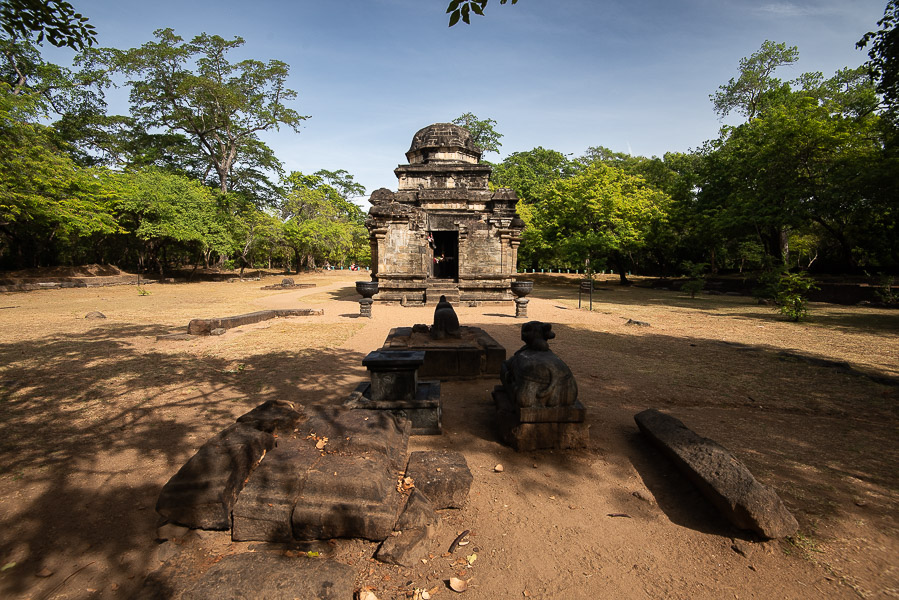
(Source an actual Chola-built temple on conquered overseas soil (nearby on Sri Lanka, but still))
Article 5: “Rajendra I”
This one is the most insane. It puts the claim in a table:
| Date | Conflict | Result |
|---|---|---|
| 1023–1025 CE | Chola conquest of the Nicobar island | Chola victory. Chola colonization of the Nicobar islands. “Nicobar island becomes a base of the Cholas to launch deeper expeditions into Southeast Asia from.” |
No citation on that one.
The same article makes one other, much more conservative, reference to the islands:
“From here, the fleet departed to India, en route capturing Manakkavaarem in the Andaman and Nicobar Islands, the southern Myanmar (Burma) seaport city Magpapaalam, and returned to Chola country.[14]”
That citation goes to George W. Spencer, “The Politics of Plunder: The Cholas in Eleventh-Century Ceylon” (Journal of Asian Studies, 1976). That article literally doesn’t mention Nicobar at all.
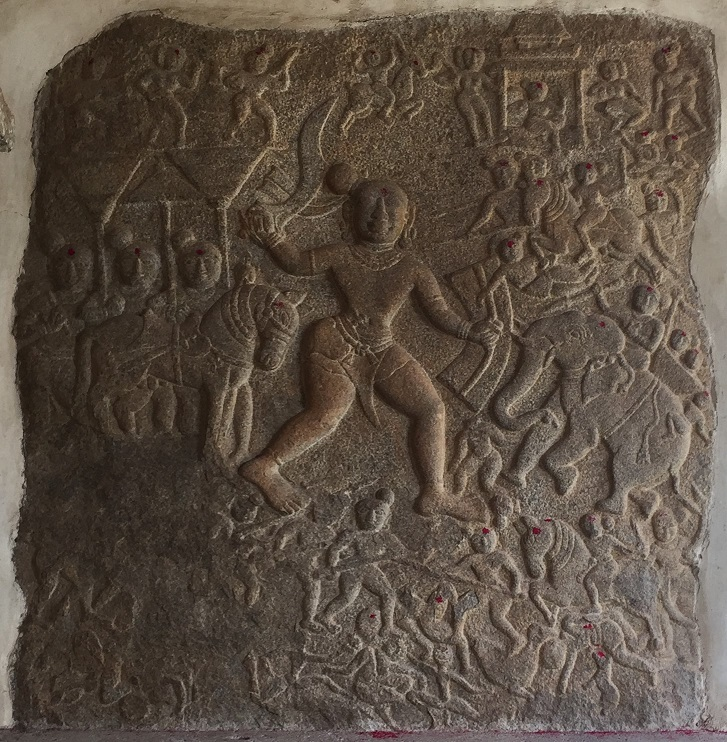
(Source Rajendra Chola I in Battle, Kolaramma Temple. Or, that’s probably what is. I didn’t fact check the image, and many of these images just have traditional ascriptions anyway rather than the names of the people being engraved or there being something authoritative within the image definately identifying the depiction as one particular person or not. But it roughly makes sense that the traditional ascription would be accurate in this case, I think.)
Final note on Wikipedia
By the way before we leave Wikipedia I just want to flag that French Wikipedia (“base navale stratégique”) has the same problem.
Also, this is just one minor specific claim about the Chola Empire which I dug into. Apparently a broader “hoax” (though I think that term gives it too much credit, really, just a complex web of made up information, poorly sourced information, and pseudohistory) was carried about about the Chola navy on Wikipedia for 13 years and 6 months!
| Claim that Chola Navy is an independent fighting force of the Cholas with elaborate description such as technology, organization, administration, type of vessels and weapons. | 13 years, 6 months | December 25, 2008 | June 29, 2022 | added, removed | Type 2a. Imported from draft space with many unreferenced parts. The article grew more elaborate over the years with many references added after its creation. A part was identified as a hoax by a Reddit user after a made up ship known as the “Thirisadai” was added into Age of Empires II: Definitive Edition. They identified several problems such as using fake sources and misattributed sources, lacking additional references for comparison, and using a fraudulent image as its support. After gradual rechecking and verification of the sources, many parts of the article have been identified as fraud and consequently deleted. |
And this was apparently laundered effectively enough that it made it into Age of Empires 2. So I’m not sure if the Nicobar Islands naval base thing is just a tertiary aspect of that which never got cleaned up, or is its own thing entirely.
It’s not just Wikipedia
This claim exists well beyond Wikipedia though. Wikipedia rarely generates things like this from whole cloth. I encounter it in tons of history books, and the sources always peter out into nothing, or bottom out in underlying unsourced claims.
Just one example: Kaushik Roy’s Warfare in Pre-British India: 1500 BCE to 1740 CE reports that K.G. Krishnan claims:
“Nicobar Island was captured by the Cholas as the first stage for the big project of launching a naval expedition against Kadaram/Sri Vijaya/Sriwijaya.”
citing Krishnan’s own ‘Cola Rajendra’s Expedition to South-East Asia’, Journal of Indian History, Golden Jubilee Volume (1973), p. 111, which I have not been able to track down.
The same book claims:
“Polonnaruva, which was the principal administrative centre of the Cholas in Sri Lanka, situated on the eastern coast of the island with the important harbour of Trincomalee, along with ports in the Nicobar Island played an important role in Rajendra’s naval campaign against Sri Vijaya.”
That citation goes to Kulke’s ‘Introduction’ to Kulke, Kesavapany and Sakhuja (eds.), Nagapattinam to Suvarnadwipa, p. xix which you can read on Google Books, and which doesn’t mention the Nicobar Islands at all. Whatsoever.
Without exception, whenever I try to chase this claim down, I get nothing. No archaeology. No epigraphic evidence referring to any sort of base or structure of any kind. Not even a direct reference to the Nicobars being used as a temporary supply or repair station. Even the references to the islands being “taken over” or “owned” by the Cholas are extremely vague. No records of any naval engagement there, or really of anything that took place there at all.
So why does this happen?
I hate to say it, but this is just another example of the classic Indian/Hindu pop-uncle-historiographical tendency to uncritically accept and amplify any claim that paints ancient Indian Hindu kingdoms as mighty, especially where the claim extends the territorial continuity of India to a place like the Andaman and Nicobar Islands, which were in fact mostly indigenous right up to the British period. And especially when it involves militaristic claims like “building naval bases,” which is exactly what Indians of a certain military oriented geostrategic mindset (i.e. a demographic often consisting of uncles with interest in real history and gullibility for borderline pseudohistory) want to do in the Indian Ocean today to counter China. It’s cynical, but I really do think that’s at the root of a lot of these amplifications and distortions. Ultimately like all false historical amplifications, its just embarrassing. It makes Indians and Hindus who do this sort of thing, and amplify and exaggerate claims like this, seem extremely insecure with the actual history and actual accomplishments of Indians and Hindus, and it just makes the entire community look ridiculous when it gets inevitably exposed, and to an ordinary reader, it puts into question the actual legitimate achievements of Indian and Hindu civilization.
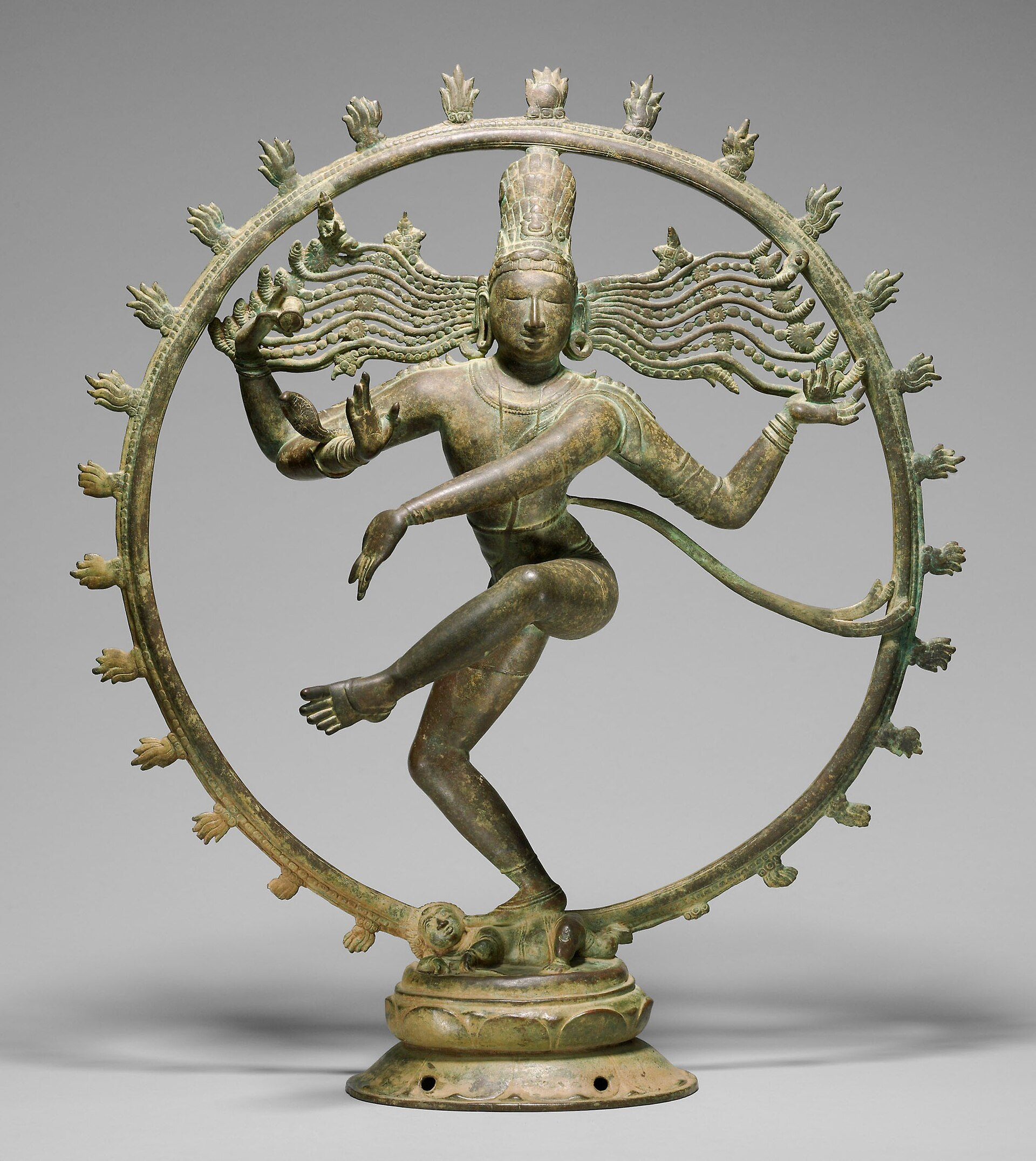
(Source Of course the most famous and magnificent of the Chola bronze working tradition is the depiction of the Nataraja (Shiva doing the cosmic dance). You could write a whole art history essay on pieces like this. Basically, its a unique Chola innovation, or if not, then a Pallava innovation (South Indian in any case). Interestingly the idea or concept or textual/mental image of the Nataraja developed prior to their ability to depict it, which required bronze working, and then evolved further with their new ability to depict it)
It’s very disappointing, because I wanted this to be true. I wanted to see some archaeological evidence; to imagine Chola ships docking in those alien waters. I wanted to imagine the indigenous Nicobarese peering out of the jungle at strange Tamils building strange structures to service their enormous ships. I could have looked into the ramifications of the social and religious interchange at this extreme periphery of the Indic world, where it met some of the oldest ancestral populations in the region. But no. It was just made up. Sad day.
If anyone has actual evidence that there was a Chola naval base on the Nicobar Islands, please send it to me and I will correct this. And I hope that, out of sheer coincidence, someone someday digs up the ruins of a naval base there and makes me look like a fool because that would be awesome.


.svg)

.jpg)